
We see it every day in our shops in summer: happy women with a more or less visible bump stand at our counters and ask, a little worried, which ice creams contain egg and whether the milk has been heated. Ice cream is a treat many mums-to-be don't want to give up. With a few precautions, ice cream during pregnancy can be enjoyed safely, too!
This article explains how ice cream is made today and which ice cream expectant mothers can eat at an ice cream parlour without worrying. Plus: which supermarket ice cream can you buy without much risk?

Is ice cream from an ice cream parlour allowed?
Whether a treat from the ice cream parlour is fine during pregnancy depends on the kind of ice cream and on the parlour's hygiene standards. Just as important: which ingredients went into it? Ingredients to steer clear of during pregnancy are raw egg, alcohol and raw milk (milk that hasn't been pasteurised). Raw egg, raw milk and poor hygiene mean a health risk from germs, salmonella or listeria. If you drink a lot of coffee, it's also better to skip flavours with caffeine so you don't push your caffeine intake up too far. In general, a healthy, balanced diet matters even more during pregnancy than usual. So – hard as it is – better not to overdo the ice cream and sugar.
Does ice cream from a parlour contain egg?
For ice cream from a parlour: almost all sorbets are vegan today. As a rule, you can eat them during pregnancy without any risk. Vegan ice cream made with plant-based milk alternatives is just as safe. Any ice cream without egg, milk and alcohol poses no risk during pregnancy.
How ice cream making has changed: from egg to vegan
In the past it was common to use egg in ice cream, both in dairy flavours and in sorbets. Egg acted as a natural stabiliser that gave the mix structure and creaminess.
Modern ice cream making has changed a lot, though. Today most sorbets are made vegan, which means without egg or any other animal products. That's not just good news for vegans, but for everyone who wants to avoid egg for health reasons. So sorbets can usually be enjoyed without a second thought.
Vegan ice cream, made entirely without animal products, is now widely available too and is a safe option for anyone who wants or needs to avoid raw egg and egg yolk.
Is there still egg in ice cream today?
Dairy ice cream and the egg question
Whether dairy flavours like vanilla or chocolate still contain egg can't be answered across the board. Traditional Italian recipes in particular often still use egg. So it's worth asking when you choose these flavours, especially if you have allergies or dietary restrictions. At Katchi we don't use eggs in our ice cream at all.
The end of raw milk in ice cream making
A key point in modern ice cream making is how milk is handled. Professional ice cream makers are no longer allowed to use raw milk. To keep things safe, every dairy ice cream has to be pasteurised. Pasteurising means the whole ice cream mix is heated to a high temperature for a short time to kill any bacteria. That makes dairy ice cream safe to eat without compromising on taste or quality.
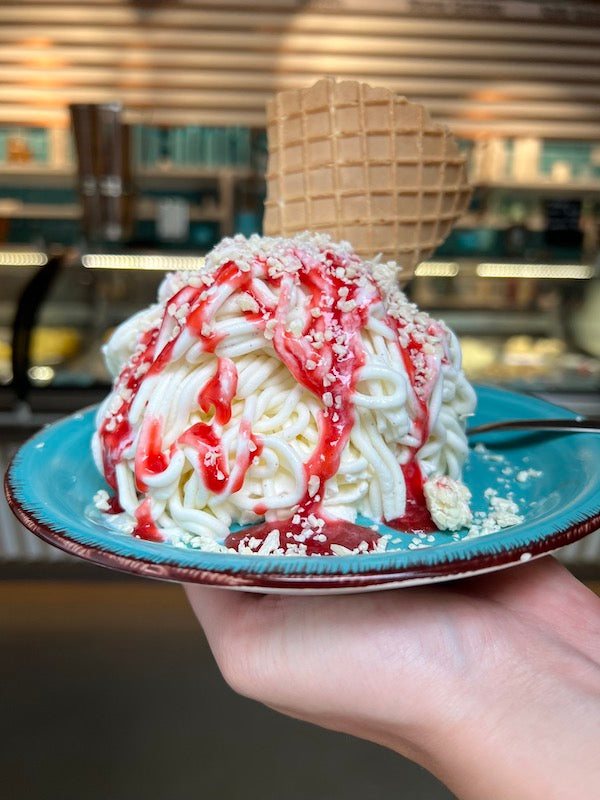
Is supermarket ice cream allowed?
Supermarket ice cream is generally fine during pregnancy, and thanks to Germany's strict hygiene standards for packaged food it's also safe. There are a few important points to keep in mind, though, so you don't put mother and baby at risk.
Check the ingredients
One of the most important things when buying ice cream at the supermarket is to check the ingredients list. Pay particular attention to whether it contains egg. While many ice creams, especially sorbets, are egg-free these days, traditional recipes – especially creamier flavours like vanilla or chocolate – may contain egg.
During pregnancy it's best to avoid products with raw or only partly cooked eggs, as they carry a potential salmonella risk. Luckily most manufacturers now use pasteurised eggs or egg-free recipes, which makes their ice cream safer to eat during pregnancy.
Pasteurising the ingredients kills any harmful bacteria through heat. So check whether the packaging says the ice cream contains pasteurised ingredients. This matters especially for dairy ice cream, because pasteurised milk minimises the risk of a listeria infection.
Besides checking the ingredients, it's just as important to keep the cold chain intact, especially when you buy supermarket ice cream to take home. The ice cream should always be well chilled and must never be thawed and then frozen again.
Why does the cold chain matter so much?
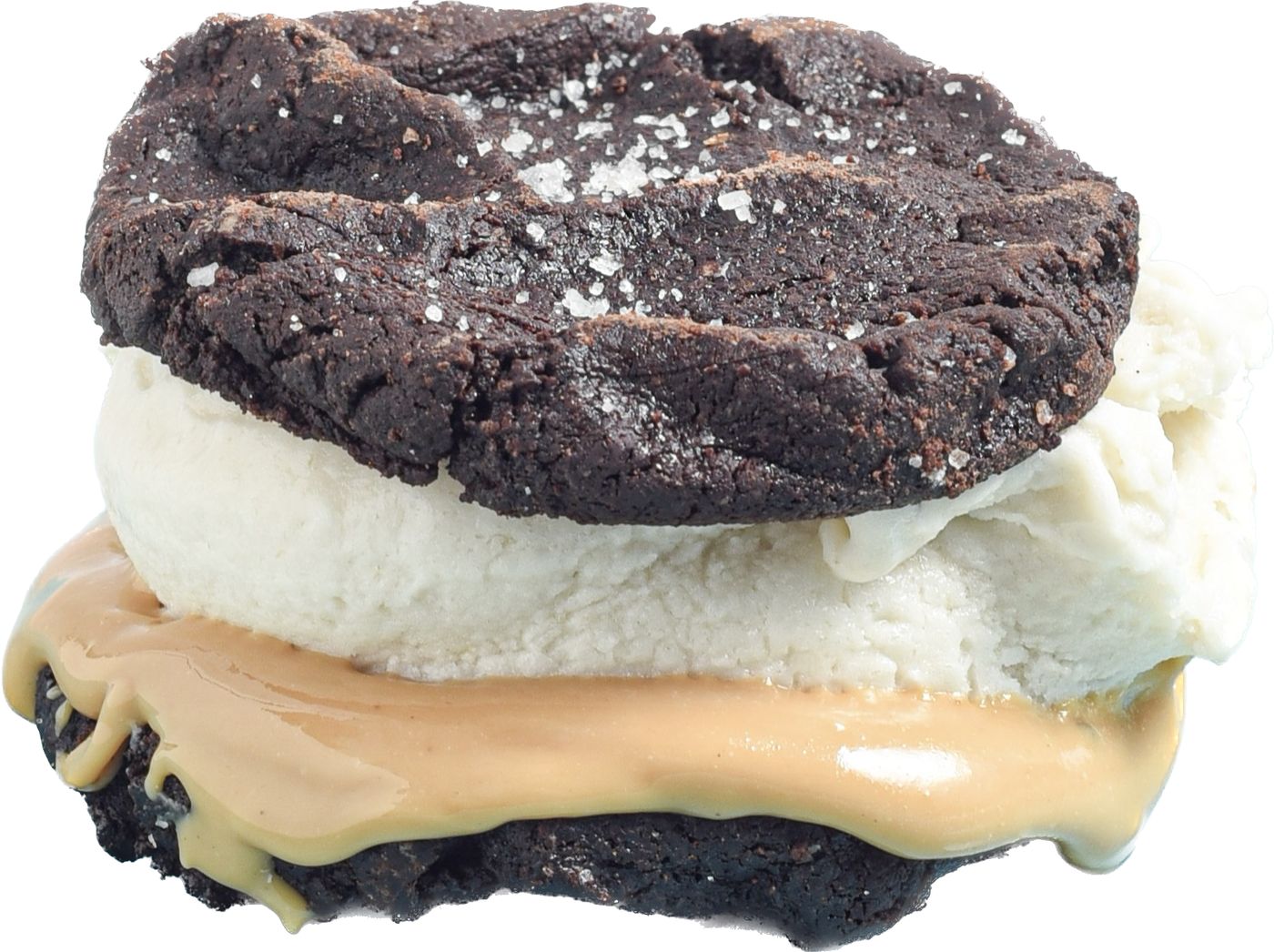
It stops bacteria from growing:
When ice cream starts to melt and is frozen again later, it becomes the perfect breeding ground for bacteria. During pregnancy your immune system is slightly weaker, so the risk of infection goes up.
Quality and taste: Refreezing melted ice cream can ruin its quality and texture. It can turn icy and less creamy, which spoils both the treat and the taste.
Safety first:
Take extra care during pregnancy. Avoid ice cream that has lost its shape or shows signs of having thawed before. If you're unsure, go for vegan ice cream or fruit flavours.
Is soft serve allowed during pregnancy?
Pregnancy brings lots of questions about food. Many mums-to-be aren't sure whether soft serve is allowed – and soft serve seems to trigger a special craving in pregnant women. In principle, soft serve isn't off limits during pregnancy, but there are a few things to watch out for to avoid any risk to the baby. The main concerns are freshness and an unbroken cold chain, to prevent contamination with bacteria such as listeria, which can be a serious danger for an unborn child.
It can be a problem if ingredients like raw eggs are used – or if hygiene standards aren't met. Soft serve machines used to be hard to clean because of their design, which led to contamination with pathogens, especially coliform bacteria and salmonella. Today, though, much stricter hygiene standards for the machines prevent this. Soft serve mix no longer contains eggs, and the mix is pasteurised in the machine before freezing. So soft serve is relatively safe during pregnancy, too. Still, ask before you order whether the mix contains egg and whether it has been pasteurised. Keep an eye on hygiene when the ice cream is dispensed to protect yourself from bacteria – for example, the nozzle shouldn't be wiped with a sponge cloth. Contrary to the old prejudice, soft serve can be eaten safely during pregnancy.

Ice cream during pregnancy: what really matters when you buy it
Besides watching the ingredients – especially egg, raw milk, alcohol and caffeine – keep an eye on the parlour's hygiene standards.
Be wary if you notice any of the following:
The scoop is sitting in (warm) water. That's a paradise for germs and bacteria – they multiply especially well between 7 and 64 °C. If you see that the scoops aren't rinsed properly before every scoop, or sit in standing water for a long time, better give it a miss for hygiene reasons. By the way, that's worth watching even when you're not pregnant.
Another no-go is using a sponge cloth or any other cloth to dry the scoop. No, no – hands off! Don't eat ice cream there, because cloths like that are the perfect breeding ground for germs.

Gestational diabetes: help, I'm craving ice cream!
Reduced-sugar ice cream
With gestational diabetes, an ice cream craving can be a real challenge. To keep your blood sugar from shooting up, ask for reduced-sugar ice cream. Many parlours offer it these days. Our reduced-sugar flavours include Sour Cherry and Blueberry, for example. Even without gestational diabetes, cutting back on sugar during pregnancy is good advice. Sadly (believe us, we get it!) ice cream is often a calorie and sugar bomb.
Sorbet has less sugar? A common myth
A widespread myth is that sorbets are a better choice for people with gestational diabetes or anyone cutting down on sugar. That's not necessarily true. Sorbets often contain a similar amount of sugar to classic dairy ice cream or creamy vegan flavours. So it's important to check the sugar content when you choose a sorbet, too.
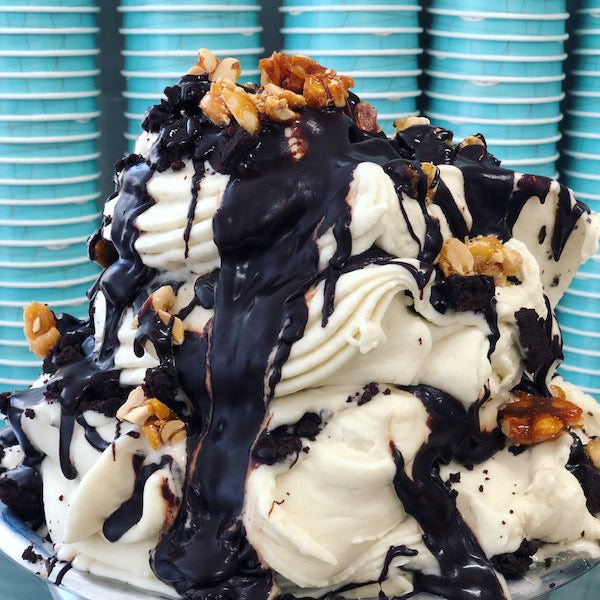
One alternative: make your own ice cream!
Of course, instead of industrially made ice cream or a trip to the parlour, you can also make your own ice cream so you control the ingredients and the sugar content yourself. You'll find more about that in our article on making ice cream at home.
Conclusion: ice cream during pregnancy – enjoy it mindfully

To sum up: you can absolutely enjoy ice cream during pregnancy if you keep a few important points in mind. Modern ice cream making has moved on and offers safer, healthier options that are suitable for pregnant women, too.
Egg in ice cream
Egg used to be an ingredient in many flavours, but today most sorbets and many vegan ice creams are egg-free. It's still a good idea to ask the parlour about the ingredients, especially for dairy flavours.
Pasteurisation
Using pasteurised ingredients in ice cream making has minimised the risk of bacterial infections. That makes ice cream from professional sources such as parlours and supermarkets safer to eat during pregnancy.
No alcohol and not too much caffeine
Don't eat flavours that contain alcohol, and cut back on flavours with caffeine.
Hygiene and cold chain
Always make sure hygiene standards and the cold chain are respected when you buy and transport ice cream.
Gestational diabetes
If you have gestational diabetes, it's important to watch the sugar content. Reduced-sugar ice cream and mindful portions can help keep your blood sugar under control.