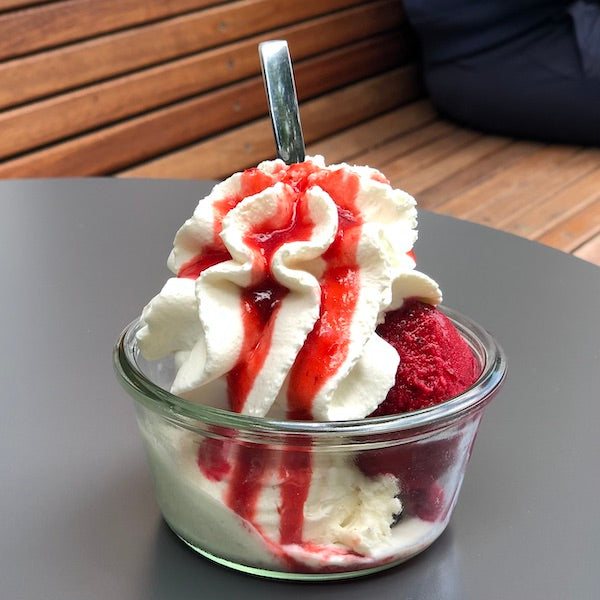
A scoop of ice cream is the summer classic – but what's the price of a scoop of ice cream, really? And what about other cities in Europe? From Berlin's busy boulevards to the historic streets of Rome and Budapest, the price of a scoop can be as varied as the cities themselves.
Picture yourself strolling through Berlin's buzzing streets, the sun tickling the back of your neck and a scoop of ice cream in your hand – pure joy with every step. In this article we're heading off on an epic tasting tour across Europe. We check how much you have to pay for a scoop in different cities and take a peek behind the scenes: is it the fancy ingredients, the local economic jungle, or has inflation got its fingers in the pie? Grab your sunglasses – we're going detective, uncovering the mysteries of the ice cream shop round the corner and diving head first into each city's cool ice cream culture. Ready, set, spoons out!
How much does a scoop of ice cream cost in Berlin?
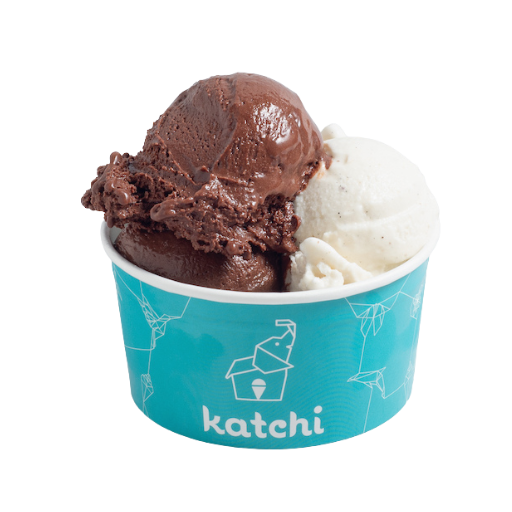
By March or April at the latest you're probably wondering how much a scoop costs at your favourite ice cream shop this season! So buckle up, because in the colourful world of Berlin's ice cream parlours anything goes. The crème de la crème of the ice cream makers – we're talking handmade, high-quality creations – easily charge between 2 and 3 euros a scoop for their ice-cold works of art. These prices aren't random; they stand for attention to detail: regional milk, seasonal fruit and a big NO to artificial additives. Plus, the ice cream artists behind the counter create flavour explosions that make your tongue dance the tango. But hey, Berlin wouldn't be Berlin if there wasn't a nice choice for the bargain hunters among us, too. In corners of the city you'll find shops selling the sweet gold for less. Here the quality range is as wide as the Spree, so everyone can live their ice cream dream. This variety of icy delights reflects Berlin's cultural mix and makes the city a real hotspot for ice cream fans. Whether you're after the ultimate taste experience or just want to satisfy your craving quickly and cheaply, Berlin has the right ice cream for you.
By the way, it's not a given that Berlin has so many ice cream cafés. If you want to know how ice cream cafés came to Germany and Berlin, click HERE.
A trip through Germany's ice cream landscape
OK, grab your cone – we're going on a little price tour through Germany to see what a scoop costs in other cities.
Weimar, famous for its classical music and literature, surprises with especially low prices of just 1.50 euros a scoop, which makes ice cream an everyday pleasure for locals and visitors alike.
In Cologne, the lively city on the Rhine, ice cream is cheaper at 2.00 euros a scoop, which reflects the city's relaxed culture.
In the maritime metropolis of Hamburg, known for its port, the average price is 2.40 euros, with a mix of traditional and modern ice cream parlours.
Further south in Munich, the Bavarian capital, the culinary pleasures come at a higher price: the smallest portion costs around 3.30 euros, driven by the city's exclusive locations and upmarket ambience.

Why does the price of a scoop of ice cream vary so much?
Ingredients and production costs: The price of a scoop depends heavily on the ingredients and how the ice cream is made. In some countries where exotic fruit and high-quality dairy are easy to come by, ice cream can be cheaper. In other regions where those ingredients have to be imported, costs go up – and so does the price of the final product.
Cost of living and economic factors: The cost of living in a city or country plays a decisive role in pricing. In cities with higher living costs, like Hamburg or Munich, a scoop costs more than in a village, where food and services are generally cheaper.
The cultural role of ice cream: In some cultures, ice cream is more than just a sweet way to cool down – it's part of the cultural heritage. In Italy, for example, where gelato has a long tradition, a lot of emphasis is placed on craftsmanship and unique flavours. That can be reflected in higher prices. In other countries, where ice cream is seen as an everyday snack, it can be cheaper.
Climate and seasonality: The climate affects the price, too. In hotter countries or regions with long summers, the ice cream season is longer, which can mean lower prices because more is produced and sold. In colder regions, on the other hand, ice cream is more of a seasonal product, which can push prices up.
Tourism: In busy tourist areas, ice cream can be more expensive because of high demand and tourists' willingness to pay more for a local experience.
Some ice cream cafés also offer unusual flavours that can cost a little more. In some parlours the price per scoop varies by flavour (not at Katchi, though). For a list of the most unusual and craziest flavours, click HERE.
Ice cream prices in Europe: a sweet trip from north to south
Fancy a little ice cream trip through Europe? Then grab your spoon – we're comparing how much you have to pay for your ice cream in other European cities.
Northern lights: Copenhagen and Amsterdam
Let's start in the cool north. In Copenhagen ice cream is a real luxury – people pay 4.50 euros a scoop on average. But hey, every spoonful is a highlight. In Amsterdam, on the other hand, famous for its canals and bikes, you can treat yourself to a scoop for a relaxed 2.20 euros.
Halfway stop: Paris and Vienna
On to the city of love: Paris. Here the treat costs around 3.50 euros on average, but with Parisian charm every scoop tastes better. And in Vienna, the city of music and coffee houses, you can enjoy it for around 2.30 euros – classically good.
Southern Europe: Italy and Spain
Now off to the sunny south! In Italy, the land of gelato, you pay 2.50 euros on average – in Rome a little more. Hop over to Spain, where your ice cream in Palma de Mallorca costs 3.50 euros. In Campos, also on Mallorca, it's noticeably cheaper at 2.35 euros.

Eastern Europe: Budapest
Finally, a jump to Eastern Europe: Budapest, the pearl of the Danube, serves up ice cream for an average of at least 2.70 euros. You can feel Hungarian hospitality in every scoop. From north to south, from west to east – every city in Europe has its own ice cream price tag. Whether pricier or cheaper, every ice cream tells a little story about the place where you enjoy it.
Take a good look at the scoop
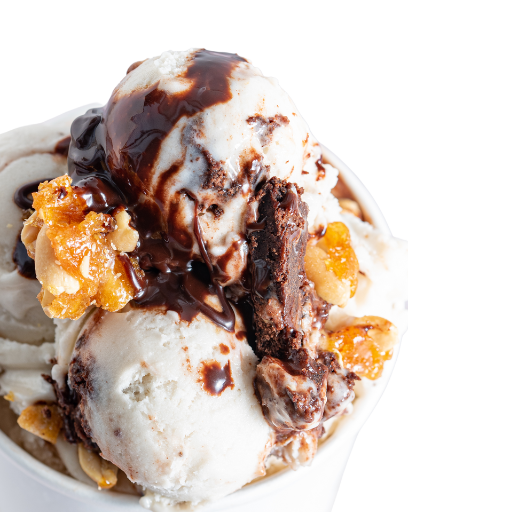
One more small but important tip: portion sizes can vary quite a bit from shop to shop, from place to place and even from country to country. What counts as a normal portion in one parlour may pass for large or small in another. In some cities you get generous scoops for your money, while elsewhere they're rather modest. So next time you enjoy ice cream, remember that the price reflects not just the taste but the size, too. That turns every ice cream into a little voyage of discovery – not just in flavour, but in quantity!
Sundaes are of course more expensive than single scoops, because they usually come with extras like cream, sauces or toppings. For a list of the most popular sundaes, click HERE.

Conclusion: the colourful world of ice cream prices
Our summer trip through Europe's ice cream parlours shows how much the price of a scoop of ice cream can vary. From Berlin's busy streets to Rome's historic alleys, the range goes from cheap to upmarket and reflects the local economy, culture and way of life. Munich, for example, is one of the most expensive cities in Germany in terms of living costs, and that shows in the price of ice cream, too. Lesser-known cities such as Weimar or Wuppertal are much cheaper.